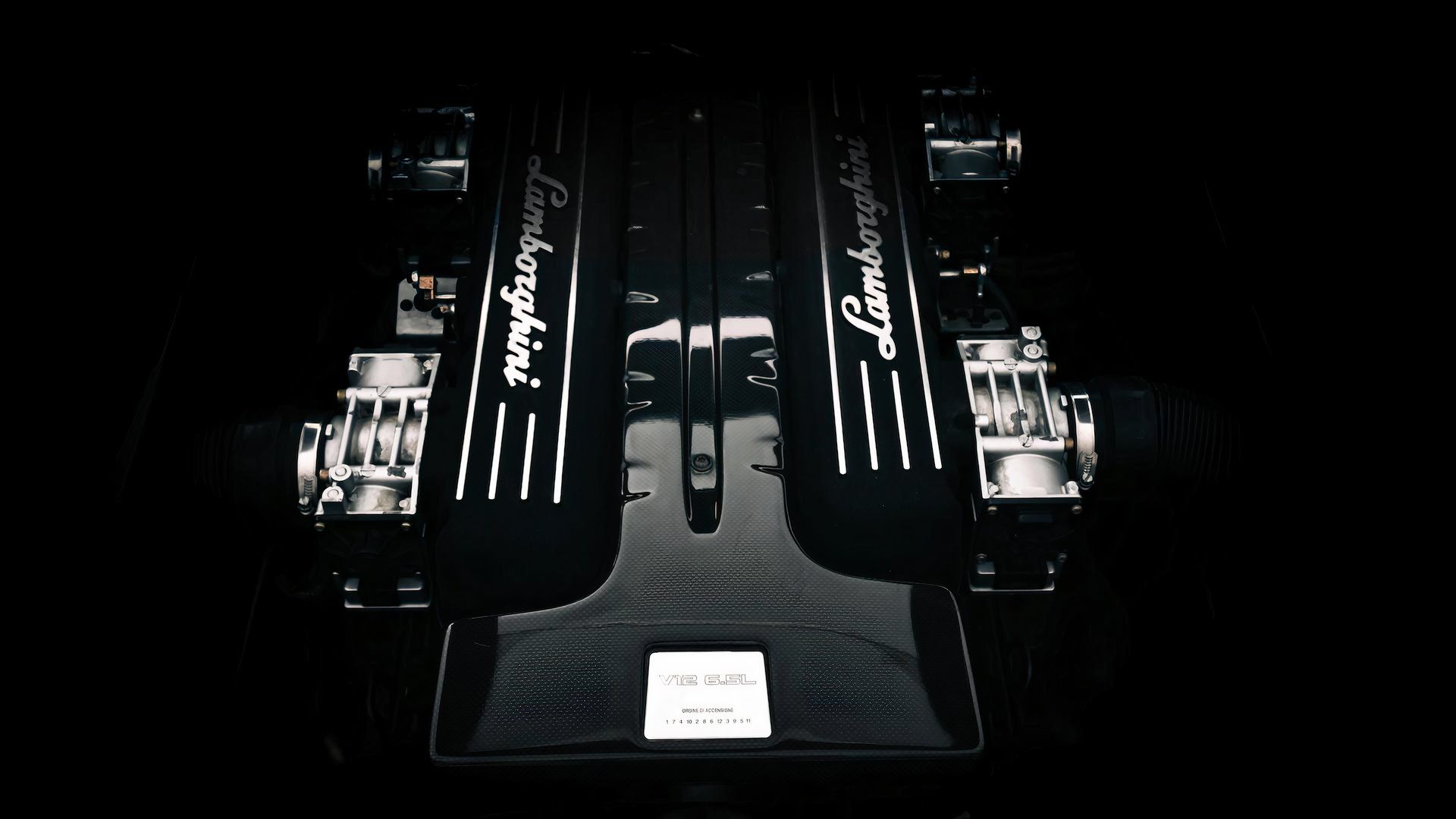
The Italian V12 That Stayed In Production For Decades
Lamborghini has used a V12 engine for more than 60 years, and the Italian manufacturer has become synonymous with the V12 engine configuration. Reportedly, Ferruccio Lamborhgini’s push towards the V12 engine was driven by his distaste towards Ferrari.
Lamborghini
Automobili Lamborghini was created in 1963 after its founder had a disagreement with Enzo Ferrari over the cost of servicing his cars, arguing that Ferrari was overcharging for off-the-shelf parts. Enzo didn’t respond amicably, so Ferruccio took matters into his own hands with the 350 GT. Lamborghini later introduced the Miura, widely regarded as the first true supercar and one of the prettiest ever made. These days, the brand’s identity is characterized by AWD drivetrains, outrageous special editions, and raucous engines. The 1,001-hp Revuelto is its current V12 flagship, while the Urus SUV is its bestseller.
A longstanding rivalry that would become one of the most well-known in automotive history would ensue. Lamborghini’s involvement with the V12 engine started in the early 1960s and has continued to be used in the automaker’s most recent flagship offerings.
The contents and events discussed in this article are arranged in chronological order.
The Genesis Of The Lamborghini V12 Engine
Lamborghini’s relationship with the twelve-cylinder powerplant began in the lead-up to the debut of the iconic Lamborghini 350 GT. This was Lamborghini’s first production car and Ferruccio Lamborghini’s first sports car, based on the Lamborghini 350 GTV prototype unveiled at the 1963 Turin Auto Show. The production version of the Lamborghini 350 relied on a 3.5-liter V12 engine designed by famed automotive engineer Giotto Bizzarrini, who also designed the iconic, now ultra-rare and very expensive, Ferrari 250 GTO.
Following his exit from Ferrari, Bizzarrini would lend his expertise to Lamborghini to design the beating heart of the 350 GT. This quad-cam 60-degree V12 engine would be designed to compete with Ferrari’s single-overhead-cam V12. The Bizzarrini V12 engine relied on two valves per cylinder, six twin-throat Weber 40 DCOE 2 carburetors, and a free-revving, short-stroke design. The total output in the Lamborghini 350 GT was rated at 266 hp @ 7,000 rpm and 239 lb-ft @ 4,000 rpm. However, some prototypes could produce up to 365 hp @ 9,000 rpm, but the desire to create a reliable engine that could be used daily meant the production car’s output was not coaxed that high.

Related
Giotto Bizzarrini, Father Of The Lamborghini V12 And Ferrari 250 GTO, Has Died Aged 96
Bizzarrini was an engineering genius whose talents touched an array of Italian brands.
The First Generation
After the Lamborghini 350 GT, the Bizzarrini V12 engine evolved in 1966. Lamborghini increased the displacement of the V12 engine from 3.5 liters to 3.9 liters, which also increased power. The 400 GT, produced between 1966 and 1968, was one of two cars using this larger V12 engine.
The other model to employ the V12 engine was the Lamborghini Miura, the world’s fastest road car at its debut, and roundly regarded as the first supercar. Between 1966 and 1973, only 764 Miura models were produced, with power rising over the years through different iterations from 345 hp in the base model to 380 hp in the Miura SV. A single Miura SVR was built, possibly with even more power. The V12 engine’s implementation in the Miura strayed from the formula of the 350 GT and the 400 GT, seeing its engine now placed in the center rear of the car to improve weight distribution. The Lamborghini Espada, Islero, and Jarama would also be given the 3.9-liter V12 engine.

Related
9 Lamborghinis That Time Forgot
They can’t all be winners.
The biggest changes started with the Countach
The Countach also featured the 3.9-liter V12 engine, but later models, like the 1982 LP500S, were powered by a larger 4.8-liter V12 engine that increased power to 375 hp. The next major evolution of the V12 engine would happen in 1985 with the introduction of the LP500 QuattroVavole. This 5.2-liter V12 engine utilized four valves per cylinder instead of two. It also featured a Bosch K-Jetronic electronic fuel-injection system instead of Weber carburetors to meet US emissions regulations, at the cost of total power output. At the same time, European models would use carburetors until the Diablo model debuted, but at the end of its lifespan, the 5.2L V12 mustered roughly 449 hp.
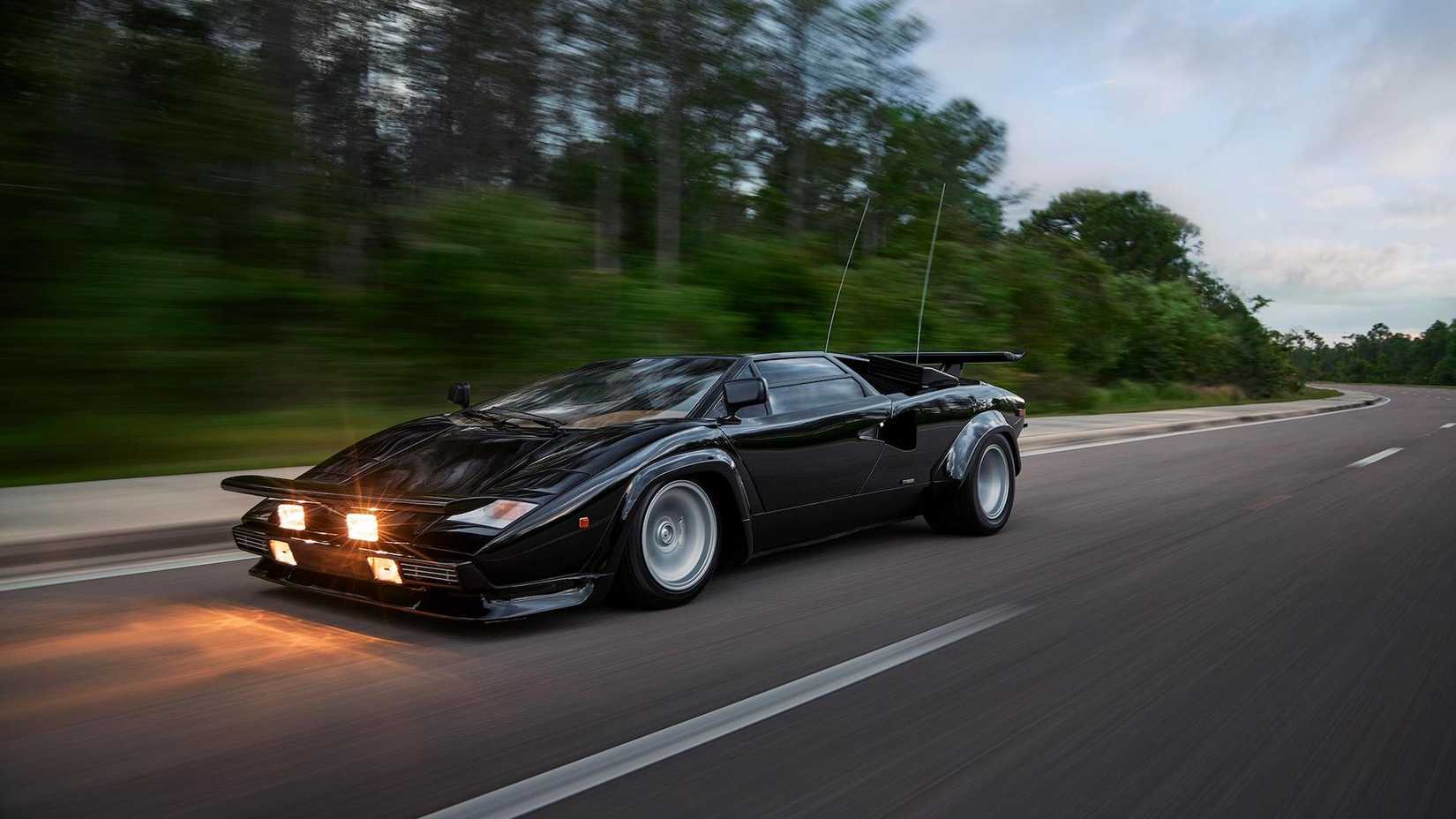
Lamborghini used the 5.2-liter V12 in its short-lived LM002 SUV. The next evolution of the V12 would coincide with the arrival of the Lamborghini Diablo, which featured a 5.7-liter V12 engine commanding an output of 485 hp and sat in the same position as the Lamborghini Countach and drove a four-wheel-drive system, which was a first for Lamborghini. Lamborghini would introduce a 6.0-liter offshoot of the 5.7-liter V12 used in the Diablo GT and VT models. The rest of the range continued using the 5.7-liter power unit until the Diablo model’s end and the introduction of the Lamborghini Murciélago.

Add CarBuzz to your Google News feed.
The Murciélago As The Bizzarrini V12’s Swangsong
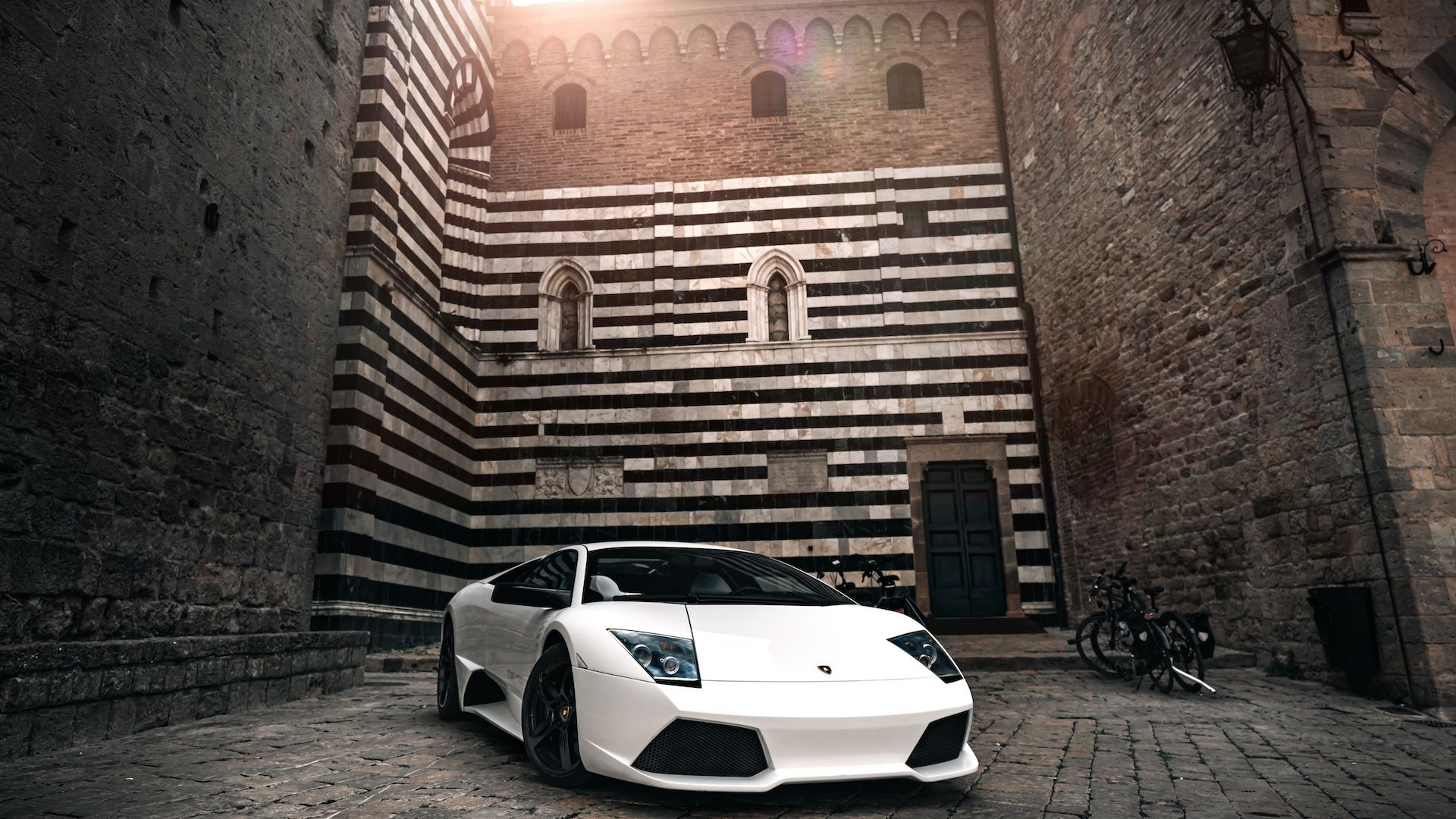
The end of the Bizzarrini V12 engine came in 2011, with the Lamborghini Murciélago model serving as the iconic engine’s pallbearer. Compared to the previous V12, this engine featured a dry-sump oil system that allowed the engine to sit lower, improving the center of gravity. From 2001 to 2006, the Murciélago utilized a 6.2-liter V12, producing 572 hp. After this and until 2010, for the LP generation, Lamborghini employed a 6.5-liter V12 in its final rendition, the Murciélago Super Veloce, which had an output of 661 hp.

Related
Lamborghini Looks Back At Murcielago In Celebration Of The V12
By softening some of the Diablo’s rough edges, the Murcielago was an even better supercar.
The Arrival Of The Lamborghini Aventador
The second generation of Lamborghini’s V12 engine started with the Lamborghini Aventador, which used a new V12 engine. According to Lamborghini, the V12 engine was an obvious choice for the second-generation power unit and one that retained the naturally aspirated formula. Internally referred to as the L539, this engine was intended to produce more power and torque than the Murciélago, all the while being a smaller and lighter engine that sat lower in the car. The V12 engine retained the 60-degree cylinder banks but only measured 26.2 inches from the sump to the top of the engine and 33.4 inches wide. Additionally, the engine featured two four-valve cylinder heads made from aluminum-silicon alloy, and produced 700 hp and 509 lb-ft of torque.
Various renditions of the Aventador would appear until the model’s decommissioning in 2022, each with varying outputs and changes to the power unit. The Lamborghini Aventador LP780-4 Ultimae would signal the end of the supercar and be characterized by revisions to the V12 engine. With 769 hp, it was the most powerful version of any naturally aspirated Aventador model, ten more hp than the Lamborghini Aventador SVJ.
Lamborghini dabbles with engine electrification

Before the Lamborghini Revuelto, Lamborghini had only produced two models powered by a hybrid V12 engine: the Sián and the Countach LPI 800-4. The powertrain paired a 48-volt e-motor – that was integrated into the gearbox housing and sourced its energy from a lithium-ion battery – with the 6.5-liter V12 engine, adding 34 hp to its total output. The Sián mustered 785 hp from its hybrid powertrain, making it the most powerful Aventador ever. Lamborghini would employ the same e-motor configuration in the Countach LPI 800-4.

Related
This Is The Rare Turbo Countach Lamborghini Wouldn’t Build
This turbocharged Countach was the fever dream of a Swiss Lambo dealer and a German tuner with excellent access to airplane parts.
Lamborghini’s Third Generation V12 Engines
The Lamborghini Revuelto featured a new V12 engine, designated the L545. This is the most powerful and lightest twelve-cylinder engine ever used by the Italian manufacturer. Compared to the Aventador’s engine, this new engine is rotated 180 degrees and features a revised distribution system and air intake ducts. The Revuelto was Lamborghini’s first High-Performance Electrified Vehicle, with the Lamborghini Temerario being the second. Its electrical system featured a high-power lithium-ion battery in the transmission tunnel.
Giotto Bizzarrini started a legacy kept alive for over half a century. Compared to the first V12 engine that powered the Lamborghini 350 GT, the third-generation V12 engine is 3 liters larger than the Bizzarrini V12. It has benefited from the mountains of knowledge and experience that Lamborghini has gained since the 350 GT’s debut.
Sources:
Automobili Lamborghini
.