How Long Do Brakes Last On A Car?
We often take cars for granted. Anyone with a driving license can purchase one, but few understand how they work or how to take proper care of them when things go wrong. Don’t worry, cars are engineering marvels with many mechanical components – it takes mechanics years to learn everything. Most of us use our cars daily without a second thought, but there is some essential car knowledge everyone should know. While some parts rarely need attention, brake pads and discs are perhaps the most important parts that wear down and need replacing regularly. Without proper maintenance, brakes can fail and cause fatal accidents. If you’re asking how long do brakes last, we have the answer.
In this post, we’ll teach you all about car brakes, how to check your brakes, and how often to replace them. On top of that, we’ll advise on some common signs of wear, the average lifespan of brakes by popular manufacturers, plus give you tips on how to make brakes last longer.
CarBuzz recommends using an accredited professional or the manufacturer for all diagnostics and repairs on your vehicle. Pricing and repair costs may vary.
Related
Tesla Is Hiding Downgraded Brakes Behind Cheap Plastic
The Model Y Performance is not as “performance-focused” as you might think.
What Are Brake Pads?
And why are fully functional brakes essential?

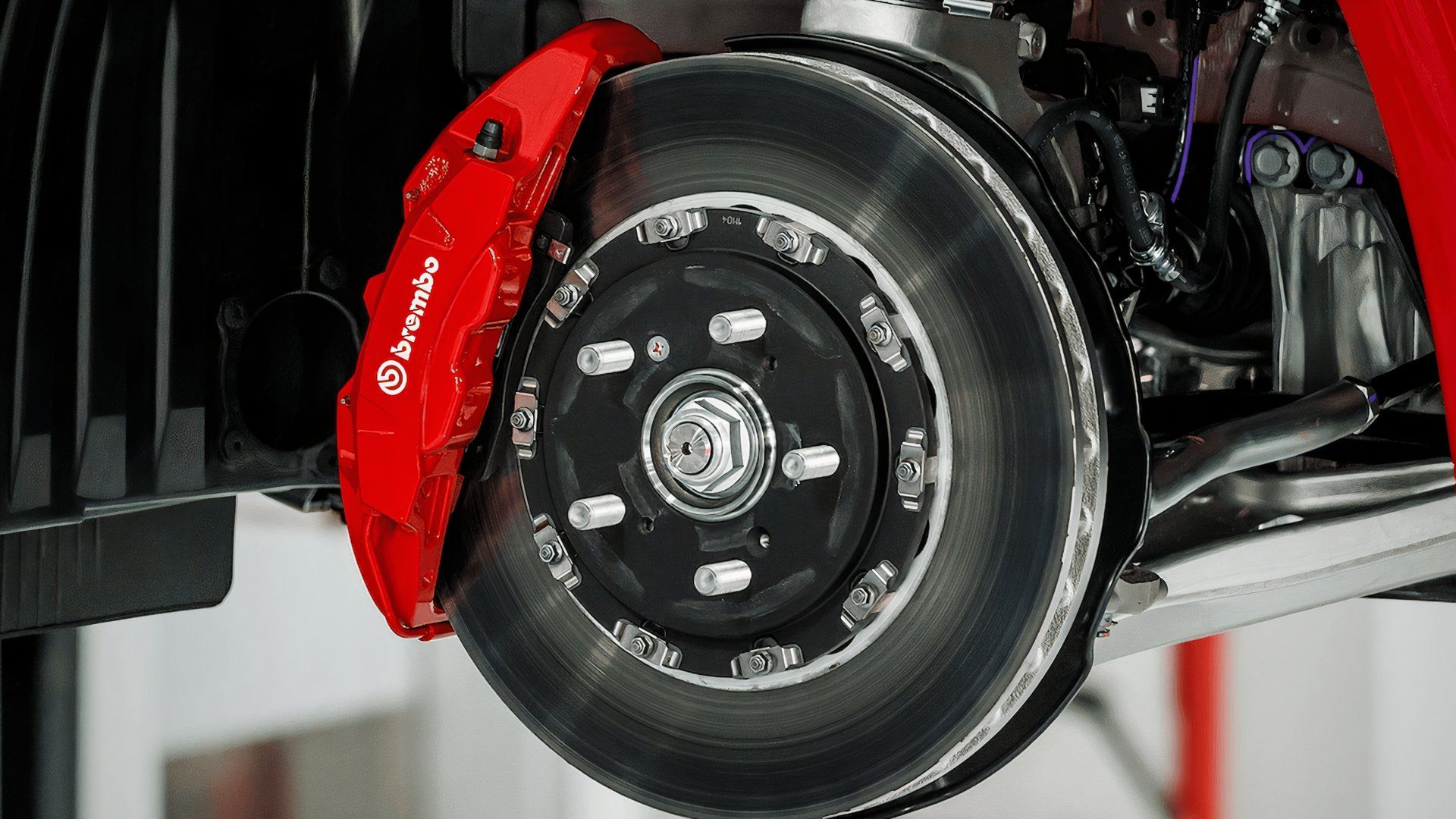
Before Jaguar created the car that changed automotive braking forever, cars used drum brakes, which were inefficient. Moving on from drums, discs and air brakes provide more stopping power. Brake pads and brake discs are the most common parts making up a vehicle’s braking system, along with brake calipers and hydraulic fluid.
As a car drives, the brake disc rotates with the wheel, while brake pads nest on either side inside a caliper. When the brake pedal is pressed, hydraulic fluid in the caliper squeezes the pads against the discs to cause friction and slow the rotation down to a complete stop. Eventually, this contact wears down the discs and pads until they are useless. That’s why checking your brakes is crucial to ensure your car is able to stop safely.
How Long Do Brakes Last?

There are no hard-and-fast rules for how long brakes will last, but most new brake pads last around 50,000 miles. Some can reach over 70,000 miles with gentle driving. For instance, if you’re constantly tapping on the brakes in city traffic, pads will wear more quickly than those doing highway miles with minimal braking. As technology develops, the average lifespan of brakes might increase.
Electric vehicles usually experience much longer brake pad life because they rely less on the physical brakes. Instead, EVs use electric motors to power the wheels, which gives greater control of the rotation. These motors can be slowed down to bring the car to a stop with little to no input from the brakes. That being said, EVs are typically heavier than their gas-powered equivalents, so they need larger brakes. This means that EV brakes can be more expensive when the time comes to maintain or repair them.
Different Braking Systems Have Different Lifespans

Different types of brakes have different lifespans, mostly decided by the material they are made from. The three main types of brake pads are organic, semimetallic, and ceramic. Organic pads are the least expensive. They’re made up of rubber and fiberglass, and while the softer materials wear down quicker, they’re more gentle on the disc. Semimetallic pads, made up of 30% to 70% metal, are the most common brake pads. They provide greater durability, regularly lasting 50,000 miles, but the harder surface impacts the discs more.
The Lifespan Of Ceramic Brakes

Ceramic brakes are by far the toughest brakes, and are often found on high-performance vehicles – interestingly, the first road-legal production car with ceramic brakes wasn’t even a supercar. As well as lasting longer than other types of brakes, ceramic brakes can handle higher temperatures for harsh and constant braking on a racetrack. Due to their durability and performance benefits, ceramic brakes are much more expensive than the rest. Thankfully, the average driver doesn’t need ceramic brakes.

Related
Everything You Need To Know About Carbon Ceramic Brakes
Are carbon ceramic brakes the ultimate in stopping technology?

Add CarBuzz to your Google News feed.
Factors Affecting The Lifespan of Brakes

One of the biggest factors affecting brake life is the driver’s driving habits. Frequent hard braking and aggressive acceleration add unnecessary stress on brake pads and cause them to wear down quickly. Gentle driving helps brakes last longer since you won’t have to make as many hard stops, and saves gas. Vehicle type and weight are important factors as well. Heavier vehicles require more energy to decelerate, which wears brake pads faster. For example, trucks disproportionately need brake replacement as compared to lighter passenger vehicles. Environmental issues such as excessive moisture and temperature extremes will take a toll on brake performance as well. When driving in wet or icy conditions, the brakes can require more frequent servicing to ensure optimal operation.
Many mechanics suggest checking them at every service visit. This allows for early detection of excessive wear, which improves safety and keeps repair costs down. Though it’s extremely rare, some brakes can last over 100,000 miles with proper maintenance.
Common Signs Of Worn Brakes

You don’t have to be a mechanic to spot signs of needing new brakes. There are plenty of things to watch and listen for when driving that could indicate when it’s time to replace your brakes:
- Screeching when braking, which could indicate metal to metal contact
- Car pulling to one side could indicate one pad is more worn than the other
- Shuddering when braking might be a sign of warped discs or pads
- Spongy brake pedal and the car taking longer to stop
- Warning lights on the dashboard, including ABS or brake indicator
It should be noted that brake squeal can be normal, but Ford has eliminated it.
How Much Do Brake Replacements Cost?

Again, the cost of replacing brakes varies depending on which pads you buy, how much a garage charges in labor to fit them, or if you fit them yourself. According to RepairPal, the average cost is between $266 and $312, before taxes and fees. This estimate is based on parts between $180 and $205, and labor costs between $86 and $109.
General Maintenance For Other Brake Components

Routine maintenance of other brake components is as important as any other part. These components interact with each other to bring a car to a stop. Neglecting any of them puts brake performance at risk.
Not everyone’s brakes can last 100k miles. So, be sure to inspect them regularly to identify wear that is not readily apparent. It should also be a top priority to check brake fluid levels. Ignoring low brake fluid could result in brake system failure, compromising safety.
In fact, it’s good practice to replace brake fluid every 2–3 years for optimal performance. Preventing or fixing corrosion or damage is just as important, particularly in areas with winter road salts, which can speed up brake death.
4:39

Related
Essential Car Fluids And How To Check Them
By checking these fluids periodically, you can prevent damage and extend your vehicle’s life.
How often do brakes need to be replaced?
There are no set intervals for changing your brakes, as this depends on the types of brake pads you have, the specific model, and your driving habits. Generally speaking, brakes should last around 50,000 miles, but should be checked at every service.
How do I know if my brakes need replacing?
Some common signs that your brakes need replaced could include squeaking, the car pulling to one side, or taking longer to stop when braking. If you are unsure, it’s best to have a mechanic check them.
Can brakes last 100k miles?
Yes, it is possible for brakes to last 100k miles, but it is extremely rare and not recommended. Replacing worn brake discs and pads is vital for everyone’s safety.
Sources:
RepairPal