BMW Powering Diesel Cars With Deep-Fried Goodness From The Factory
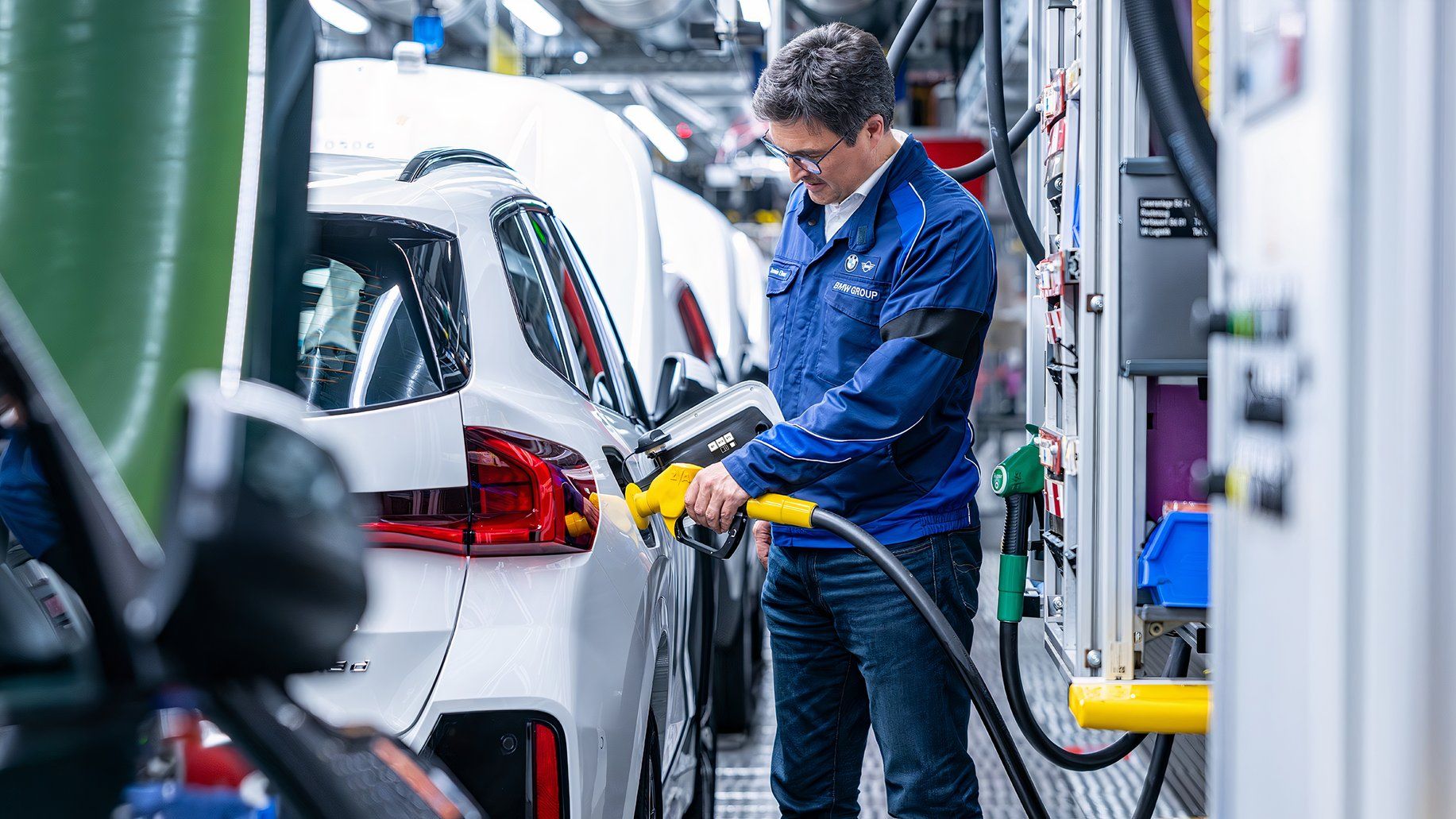
Starting next month, over half of all new BMW Group diesels will start life with a tank of fuel derived from vegetable oil. In an effort to reduce carbon emissions even among its internal combustion products, the German automaker partnered with Finnish chemical company Neste to supply certain factories with a renewable diesel called hydrotreated vegetable oil. That means that each diesel car built at BMW Group Plants Munich, Dingolfing, Regensburg, and Leipzig will get a fresh tank of HVO100 to start life – vehicles that include the Mini Countryman and BMW 4 Series.
BMW
BMW is a German luxury car and motorbike manufacturer and current owner of Mini, Rolls-Royce, and Alpina. With roots dating back to 1913 as Rapp Motorenwerke, it officially became Bayerische Motoren Werke in 1922 as a manufacturer of aircraft engines. BMW’s first car was built in 1928 when it built the Austin 7 under license from Dixi, which was called the BMW 3/15. BMW grew into a manufacturer of premium and luxury automobiles, launching iconic nameplates like the 3 Series, 5 Series, and 7 Series, and is today known as one of the leading luxury automakers in the world, while the BMW M division is hailed as a leading manufacturer of performance cars.
- Founded
- 1916
- Founder
- Karl Rapp
- Headquarters
- Munich, Germany
- Owned By
- Publicly Traded
- Current CEO
- Oliver Zipse
Lower Carbon Emissions From Tap To Tank
Those factories, which produce more than 50 percent of all of BMW’s diesel vehicles, will provide an initial fill-up of HVO100, meaning that many customers’ first experiences with their new oil-burning Bimmer will have a tinge of eco-friendliness about them. HVO100, which is also sold under the Neste brand name MY Renewable Diesel, reduces carbon emissions by 90 percent compared to traditional diesel, and not just because it burns better. Deriving the fuel is a cleaner process because instead of being made from fresh-drilled, virgin crude, MY Renewable Diesel consists of waste cooking grease, residue, and renewable raw materials.

Add CarBuzz to your Google News feed.

Related
The BMW M Prototype Neue Klasse Looks Ready To Haul Asse
BMW M is showing new images of a Neue Klasse electric M car. Fan of EVs or not, this thing is looking good so far.
The fuel can serve as a one-to-one replacement for conventional diesel and can be mixed with unrefined dino juice in any proportion. As a result, it’s different from either waste vegetable oil or fatty-acid ester biodiesel, which requires vehicle modifications to work at anything but very low concentrations. That should make it more appealing to consumers than existing diesel substitutes, and as a result, HVO100 has been available at German refueling stations since May 2024. Better still, it’s actually more stable and performs better than dino juice on cold starts, and the purification process it sees during production also makes it more resistant to microbial contamination than fossil diesel.
Not BMW’s First Rodeo
Although this is the first time a manufacturer has put entirely renewable fuel in its series-production vehicles, the automaker has experimented with HVO100 before. According to BMWBlog, Neste fuel has powered Bimmer’s fleet of diesel logistics trucks since March 2023, a pilot program that helped the company evaluate MY Renewable Diesel’s commercial viability. Most of BMW’s diesel engines built since 2015 (including the monster quad-turbo six) are certified to run on HVO100, giving used car shoppers a decent back catalog from which to shop.

Related
What Is Synthetic Fuel? And Is It The Savior Of The Combustion Engine?
Synthetic fuel is being praised as the savior of the combustion engine, but is it really all that?
For its part, Neste claims that MY Renewable Diesel can be used in any oil-burning engine of any vintage, although some older diesels may experience leaks. In the same way that synthetic motor oil may not be a good idea for high-mileage engines, the oil content in unrefined petroleum can help keep aging gaskets fresh and moist, and losing that could mean the occasional drip. Diesel fanatics keen to reduce their carbon footprint could theoretically replace their aged gaskets with newer-technology materials that seal better, but that might be a tall order for the owner of a beat-up 1996 Citroen Saxo.

Source:
BMW via
BMWBlog