What Role Does Soldering Play in Flex PCB Supplier?
Soldering Play in Flex PCB Supplier
Soldering is a melting process that joins metal parts to create a strong, durable bond. It’s essential to many hobbyist projects, and can even be used to make jewelry. If you have never tried soldering before, it may seem intimidating, but there are a few tips to help you get started.
Choosing the right tools is important for your project. The type of soldering iron you choose depends on the kind of work you plan to do. For example, a narrower tip will facilitate precision tasks while a wider one can handle larger components or wires. A good tip also helps to maintain a consistent heat level, preventing damage to sensitive components. Having the right equipment can also increase your efficiency, as you’ll be able to complete the task in a shorter time.
When you’re searching for a flex pcb suppliers, it’s vital to consider the quality of their packaging and shipping methods. You should also look for a company that offers an affordable price for the products they sell. However, it’s important to avoid companies that offer extremely low prices. A cheap deal could end up costing you more money in the long run.
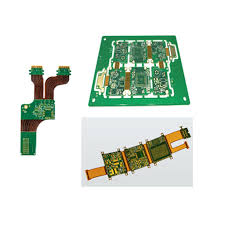
What Role Does Soldering Play in Flex PCB Supplier?
The most common way to solder a flexible PCB is using a soldering iron with a flux pen. This helps to clean the metal surfaces, etch any oxides that might be present, and prevent copper oxidation after heating. It also allows the molten solder to flow easily and provides better adhesion between metals.
Another popular method of soldering a flex PCB is by using a reflow oven. This device can melt and solidify solder quickly, making it easier to attach components. It can also reduce stress on the connections and protect against short circuits. Lastly, you can use an immersion tin finish to protect the surface of your flex PCB from oxidation.
While it’s possible to solder a flex PCB by hand, it’s usually not practical. The materials required for a flex PCB are often too delicate to withstand the manual soldering process, and it can lead to costly errors. In addition, if you’re not careful when handling the flex PCB, you can cause damage to the circuitry.
Regardless of the method you choose, it’s important to know how to solder a flex PCB properly. Incorrectly soldered joints can cause serious problems, including electrical malfunctions and short circuits. It’s also crucial to follow strict production guidelines when working with a flex PCB.
A flex PCB is composed of several layers, with the core layer being made of polyimide material. The core is then covered with copper foil, which can be either rolled or annealed. These foils are then etched to form the necessary circuitry. This copper is then coated with a preservative plating such as ENIG or HASL. This coating will protect the underlying copper from corrosion, and it will also allow soldering to take place on top of the tin layer.